The evolution of LED technology has transformed the display industry. These walls are now ubiquitous in advertising and events. However, the power consumption of LED walls remains a significant concern. A recent report by the U.S. Department of Energy highlights that lighting accounts for over 17% of total electricity usage in commercial buildings. Optimizing energy efficiency in LED installations can lead to considerable cost savings.
When considering how to reduce power consumption of LED walls, it is essential to focus on technology choices and operational strategies. Energy-efficient LED models can cut energy costs by up to 50%, according to a study from the National Renewable Energy Laboratory. Additionally, leveraging proper scheduling and dimming techniques can further minimize energy waste.
Despite these advancements, not every installation has embraced these practices. Many operators still rely on settings that do not maximize energy efficiency. Reflecting on current strategies can encourage necessary changes. By adopting best practices, businesses can significantly lower their environmental footprint and operational expenses while enhancing display performance.
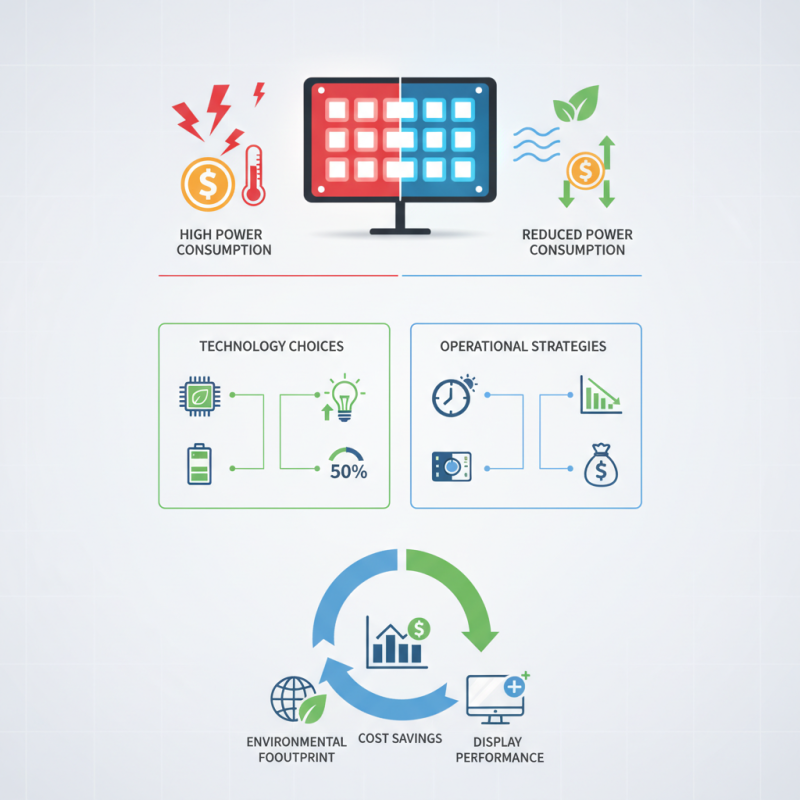
LED walls have become a popular choice in various industries, mainly due to their brightness and versatility. However, they are not without their energy costs. Understanding how these displays consume energy is crucial for optimizing use and reducing overall power consumption.
Research indicates that LED walls can consume between 200 to 800 watts per square meter, depending on the brightness and technology used. According to the U.S. Department of Energy, energy-efficient displays can cut power use by 30% or more. This not only lowers operational costs but also contributes to environmental sustainability efforts.
**Tip:** Consider using dimming features during off-peak hours. Lower brightness settings can significantly reduce energy use without sacrificing visibility.
Moreover, many users underestimate the long-term costs associated with high power consumption. Over time, these expenses can add up, impacting budgets considerably. Regularly scheduled maintenance can optimize performance and promote energy efficiency.
**Tip:** Monitor usage patterns to identify peak times for display operation. This data helps in making informed decisions about when to utilize full brightness.
Just because LED walls are popular doesn’t mean they are automatically energy-efficient. It’s vital to stay informed and proactive about energy consumption practices.
High power consumption in LED displays can have significant environmental consequences. When LED walls draw excessive energy, they increase the demand on power plants. This can lead to more greenhouse gas emissions if fossil fuels are used. Moreover, high energy consumption can strain our electrical grids, contributing to blackouts and other issues.
To combat this, reducing power consumption is vital. Consider using energy-efficient settings on your displays. Dimming the brightness can save energy while still providing quality visuals. Regular maintenance can also help ensure that displays run efficiently.
Every small change can make a difference. Explore using advanced power management systems. Educate teams about the impacts of energy use. This way, we can all contribute to a healthier planet while enjoying vibrant displays. Reflect on your current practices, and challenge yourself to find more sustainable options.
High power consumption in LED displays has a significant environmental impact. By tracking the power consumption of LED walls from 2020 to 2025, we highlight the importance of reducing energy usage over time. This chart shows a year-on-year decrease in power consumption, indicating the potential for more energy-efficient technologies and practices.
Reducing power consumption in LED walls carries numerous benefits that enhance overall performance. Lower energy usage directly affects operational costs. Less electricity means savings in utility bills over time, giving businesses more financial flexibility. This can allow for investment in other essential areas, such as improvements or technology upgrades.
Another advantage is improved longevity for the LED equipment. Excessive power can lead to overheating and premature failures. By managing power levels, you extend the lifespan of your investment. Additionally, a cooler operating temperature translates to better performance and more consistent visual output. This is vital for events where clarity and brightness are critical.
Furthermore, reducing power consumption contributes to sustainability efforts. It reduces carbon footprints, making operations more environmentally friendly. Many consumers now prefer eco-conscious brands. This shift in consumer expectations urges businesses to embrace energy-efficient practices. However, finding the right balance in power reduction can be challenging. Not every LED wall configuration responds the same way to power adjustments. Experimentation is sometimes necessary. Businesses may need to reflect on their strategies and goals to optimize performance while maintaining reduced energy usage.
Reducing power consumption for LED walls can lead to significant cost savings. According to a report by the U.S. Department of Energy, LED lighting uses about 75% less energy than traditional lighting. By lowering energy use, businesses can reduce their operational costs substantially. For example, if an LED wall consumes 1,000 watts, switching to energy-efficient settings could cut usage by 30%. That’s $1,200 saved annually on a wall operating 12 hours a day at $0.10 per kWh.
Another critical point to consider is maintenance. Higher energy consumption often correlates with increased wear. A study published in the Journal of Sustainable Engineering found that energy-efficient LED systems have a longer lifespan and lower failure rates. Businesses can also benefit from lower cooling costs since an efficient LED wall generates less heat. Keep that in mind when planning your systems.
**Tips:** Regularly monitor energy use. Consider using smart technology to optimize consumption. Engage in training staff about energy-saving practices. Small changes can result in noticeable savings over time.
Reducing power consumption in LED walls is essential for sustainable technology adoption. Innovative strategies can make a significant impact. For instance, energy-efficient designs can lower consumption by up to 30%, as reported by industry studies. This reduction not only conserves electricity but also lowers operational costs over time.
One effective approach is to implement advanced dimming techniques. These can adjust brightness according to environmental conditions, further minimizing energy use. Reliable data shows that ambient light sensors can optimize power consumption by adjusting LED output based on surrounding light levels. A well-calibrated system not only ensures high visibility but can also extend the lifespan of the displays.
Tips for users: Regularly monitor your LED wall usage to identify peak power consumption times. Consider software solutions that analyze and adapt LED performance to further enhance efficiency. Investing in proper maintenance can also help in noticing any discrepancies in power usage, ensuring optimal performance and longevity. By consistently applying these strategies, substantial energy savings are achievable, contributing to a greener future.
| Strategy | Description | Potential Power Savings (%) | Implementation Difficulty (1-5) |
|---|---|---|---|
| Dynamic Brightness Adjustment | Automatically adjusts brightness based on ambient light conditions. | 30% | 2 |
| Energy-Efficient LED Chips | Utilizing the latest LED technology for reduced power consumption. | 25% | 3 |
| Scheduled Power Management | Automatically powers down during non-peak hours. | 40% | 2 |
| Optimized Content Management | Using content that requires lower brightness levels. | 15% | 4 |
| Regular Maintenance | Ensuring that LED walls are clean and functional to maximize efficiency. | 10% | 1 |
: Excessive energy use increases demand on power plants, leading to higher greenhouse gas emissions and straining electrical grids.
Use energy-efficient settings, dim brightness, and perform regular maintenance to enhance efficiency and save energy.
Reduced energy consumption leads to lower utility bills, providing financial flexibility to invest in other essential business areas.
Lower power levels prevent overheating, extend equipment lifespan, and improve performance for better visual outputs.
Many consumers prefer brands that incorporate sustainable practices, making it essential for businesses to adopt energy-efficient methods.
Not all LED configurations respond the same way to power adjustments; experimentation may be needed to find the right balance.
Simple actions like monitoring energy use and adjusting settings can yield noticeable savings over time.
Educating teams about energy-efficient practices empowers them to contribute to cost reduction and sustainable operations.
Switching to efficient settings could cut usage by 30%, potentially saving $1,200 annually for a wall used 12 hours a day.
Continuous reflection can identify areas needing improvement for more sustainable operations and optimized performance.
Reducing power consumption of LED walls is essential for enhancing sustainability and operational efficiency. Understanding the energy consumption patterns of these displays reveals their significant environmental impact, particularly regarding their carbon footprint. By implementing strategies to minimize power usage, not only can the performance of LED walls improve, but substantial cost savings can also be realized.
Innovative techniques such as optimizing brightness levels, using energy-efficient components, and incorporating adaptive technologies are effective ways to reduce power consumption of LED walls. These approaches not only contribute to lowering electricity bills but also promote a greener and more sustainable approach to visual display technology. Understanding how to reduce power consumption of LED walls is crucial for both financial and environmental reasons.

LYRA LED