In today's digital landscape, choosing the right display technology is crucial. “Why LED screens are better than projection screens" is a topic gaining traction among industry experts. According to a report by the International Display Research Institute, LED screens provide brighter images and superior color accuracy. This leads to an enhanced viewer experience, especially in well-lit environments.
John Anderson, a leading figure in visual technology, states, "LED screens outperform projectors in quality and reliability." His insights echo findings from a recent market analysis showing that LED screens have a lifespan of over 50,000 hours compared to an average of 5,000 hours for projectors. This stark contrast presents a clear advantage for businesses investing in long-term solutions.
Furthermore, LED technology offers flexibility in installation. Unlike projectors that require specific alignment and distance, LEDs can be arranged in various sizes and shapes. However, it is essential to consider the initial investment costs, which can be higher for LED solutions. Balancing quality and budget is vital for making an informed decision.
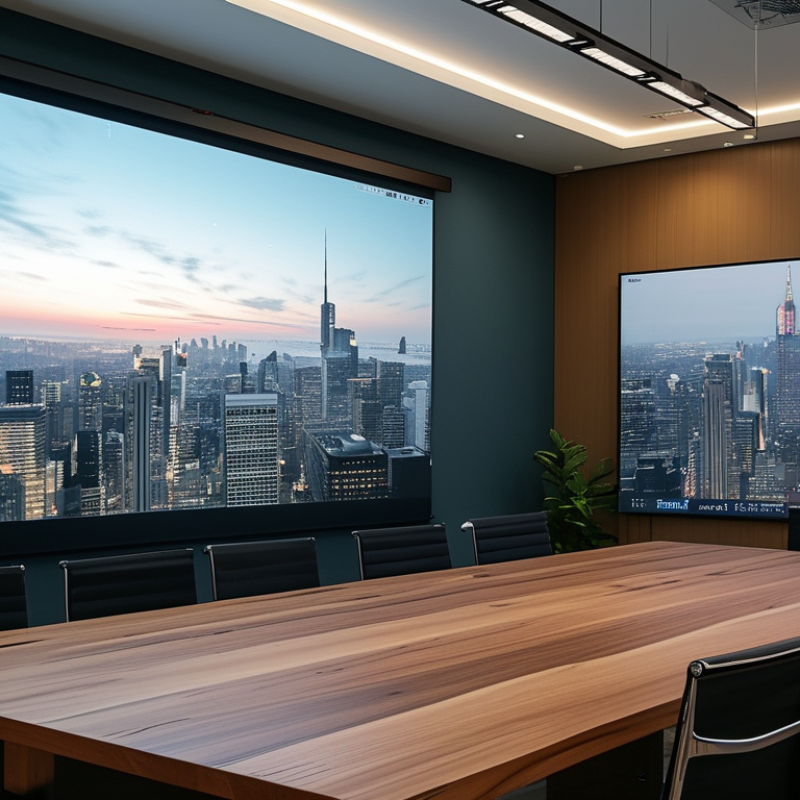
Advantages of LED Screens Over Projection Screens
LED screens offer distinct advantages over traditional projection screens. One of the key benefits is image clarity. LED technology provides vibrant colors and higher contrast ratios. This results in a sharper picture. You can see fine details even in bright environments. No need to darken a room.
Another significant advantage is durability. LED screens are built to last. They resist wear and tear better than projection screens. You won’t have to worry about replacing lamps frequently. This long lifespan can lead to long-term savings.
Additionally, LED screens are energy-efficient. They consume less power while offering superior brightness. This efficiency translates into lower utility bills. However, initial costs can be higher. Some may find the upfront investment daunting. Balancing cost with long-term benefits is crucial.
Moreover, LED screens support a variety of content formats. This flexibility makes them suitable for events and presentations. But, the technology isn’t perfect. Learning curves are common with newer devices. It might take time to adjust and optimize settings.
Comparison of Brightness and Clarity in Different Environments
When considering the clarity and brightness of displays, LED screens hold several advantages over traditional projection screens. In well-lit environments, LED screens excel, delivering vibrant colors and sharp images. This makes them ideal for settings like conference rooms and classrooms where natural light can be abundant. In these conditions, projection screens can often appear washed out, lacking the necessary brightness for clear visibility.
Moreover, LED screens maintain their clarity from various viewing angles. Audiences do not need to adjust their positions for optimal viewing. Projection screens often suffer from fading when viewed from the side or extreme angles. This can lead to frustration during presentations or events. LED screens' uniform brightness ensures everyone sees the same high-quality image, enhancing engagement and communication.
While LED screens offer many benefits, some challenges remain. They can be more expensive upfront, and the technology can be daunting for those unfamiliar with it. Additionally, the installation process may require professional expertise. Balancing cost with quality is essential when deciding the right display for your needs. Overall, understanding these nuances helps create a more informed choice in visual technology.
Durability and Maintenance Considerations for LED Displays
When considering display solutions, durability and maintenance are crucial factors.
LED screens shine in these areas. A recent report from the
Display Industry Association highlighted that LED displays last significantly longer than
projection screens, with an average lifespan of 50,000 hours compared to just 2,000 hours for
traditional projectors. This remarkable longevity means less frequent replacements and reduced long-term costs.
Maintenance also favors LED technology. Projectors often require regular bulb changes and filter replacements,
which can be costly and inconvenient. In contrast, LEDs require minimal upkeep.
Their robust construction resists damage, and the solid-state technology minimizes the risk of component failure.
However, one must still consider factors like moisture and dust, which can affect performance over time.
A proactive maintenance schedule can help ensure optimal performance from LED displays.
While LED screens are generally more reliable, they do have their limitations.
Initial installation costs can be higher than projected systems.
Also, one must evaluate the environment where the screen will be used.
Excessive heat or humidity may impact display quality.
Careful assessment and planning are vital to maximizing the advantages of LED technology.
Flexibility and Installation Options for LED Screens
LED screens offer significant flexibility and installation options compared to traditional projection screens. They can fit various spaces, from small conference rooms to large auditoriums. Their slim profile and lightweight design allow for easier mounting. You can install them on walls, ceilings, or even freestanding structures. This adaptability meets different aesthetic and functional needs.
Installation is often quicker than with projection screens. Setting up a traditional projector involves aligning the device, managing cables, and ensuring the perfect focal point. LED screens eliminate many of these headaches. They can often be installed within hours, minimizing disruption.
However, it’s essential to consider the surrounding environment. Light levels and room dimensions can impact performance. For instance, ambient light might affect the visibility of an LED screen, just as it would on a projection screen. Reflective surfaces nearby may also create challenges. Understanding these factors is crucial for maximizing the benefits of LED technology.
Cost-Effectiveness of LED Technology in the Long Run
LED screens are becoming increasingly popular, particularly for their cost-effectiveness over time. When comparing LED technology to traditional projection screens, the initial investment might seem higher. However, the long-term savings in maintenance and energy consumption often outweigh these costs. LED screens typically have longer lifespans, sometimes lasting more than five times longer than projection lamps. This longevity means fewer replacements, reducing overall expenses.
Moreover, LED technology consumes less energy. Unlike projectors, which often require bright, energy-intensive bulbs, LED screens can deliver vibrant colors and sharp images while being more energy-efficient. This efficiency translates into lower electricity bills, making LED screens a wise choice for both homes and businesses. As usage increases, the savings accumulate, showcasing LED technology's financial advantages.
However, it's essential to acknowledge some challenges. The initial setup for LED displays might involve higher complexity than simpler projection setups. The quality of the installation and layout can impact performance. Some users may feel overwhelmed by the variety of options available. Thoughtful consideration of usage specifics can mitigate these issues, leading to mutual benefits in the long run.
Why LED Screens Are Better Than Projection Screens for Your Needs?
| Feature |
LED Screens |
Projection Screens |
| Initial Cost |
Higher |
Lower |
| Maintenance Cost |
Low |
High |
| Lifespan |
50,000 - 100,000 hours |
2,000 - 5,000 hours |
| Brightness |
300-3000 nits |
100-2000 nits |
| Image Quality |
Excellent color accuracy and clarity |
May degrade image quality over time |
| Portability |
Fixed installations |
Easier to transport |
| Viewing Angles |
Wide viewing angles |
Limited viewing angles |
FAQS
: LED screens can be mounted on walls, ceilings, or freestanding structures. They are versatile for various spaces.
Installation of LED screens is often quicker and easier. Traditional projectors require alignment and cable management.
Yes, ambient light and room dimensions can affect visibility. Reflective surfaces may also create challenges during use.
Yes, while initial costs may be higher, they save money on maintenance and energy over time due to longer lifespans.
LED screens use less energy than projectors. They maintain vibrant images without the need for bright, energy-intensive bulbs.
The setup can be more complex than projectors. Users may feel overwhelmed by the variety of options and layouts available.
Users must assess their environment. Light levels and layout play crucial roles in maximizing LED screen visibility and effectiveness.
LED screens can last more than five times longer than traditional projection lamps, reducing the need for frequent replacements.
Long-term usage leads to lower electricity bills due to energy efficiency, making LED screens a financially wise choice for many.
Yes, installation quality and layout complexity can impact performance. Users should carefully consider their specific needs to avoid issues.
Conclusion
LED screens offer distinct advantages over projection screens, which solidifies the argument for why LED screens are better than projection screens. One significant benefit is their superior brightness and clarity, allowing for optimal visibility in various lighting conditions. This feature makes LED displays ideal for both indoor and outdoor settings. Furthermore, LED screens have a longer lifespan and require less maintenance compared to projection systems, making them a more durable choice.
In terms of installation, LED screens provide greater flexibility with different size and shape options, accommodating diverse spaces and design needs. Moreover, while the initial investment in LED technology might be higher, the long-term cost-effectiveness, due to lower operational costs and reduced maintenance, makes them an economically sound decision. Overall, the combination of these factors underscores the superiority of LED screens over traditional projection screens.

 LYRA LED