5 Reasons Why LED Screens Fail Outdoors

Time:2026-07-30 Author:Henry
0%

The outdoor utilization of LED screens is becoming increasingly popular, yet many face challenges. Understanding "why do LED screens fail outdoors" is essential for manufacturers and users alike. Research indicates that about 30% of outdoor LED screens experience performance issues within the first year. This statistic highlights the importance of quality and environmental resilience.

Industry expert Dr. Sarah Jenkins notes, “The outdoor environment poses unique challenges that many LED displays are not built to withstand.” Factors such as humidity, temperature fluctuations, and UV exposure can severely compromise screen integrity. Many users are unaware that poor installation and inadequate maintenance play significant roles in these failures.

It’s crucial to inspect components regularly. A small oversight might lead to significant failures. Some LED screens do not meet necessary IP ratings for water or dust resistance, leading to malfunctions. Issues often arise unexpectedly, prompting users to reevaluate their setups. Improving outdoor performance requires more than just selecting high-quality screens; it demands a comprehensive understanding of environmental impacts and proactive measures.
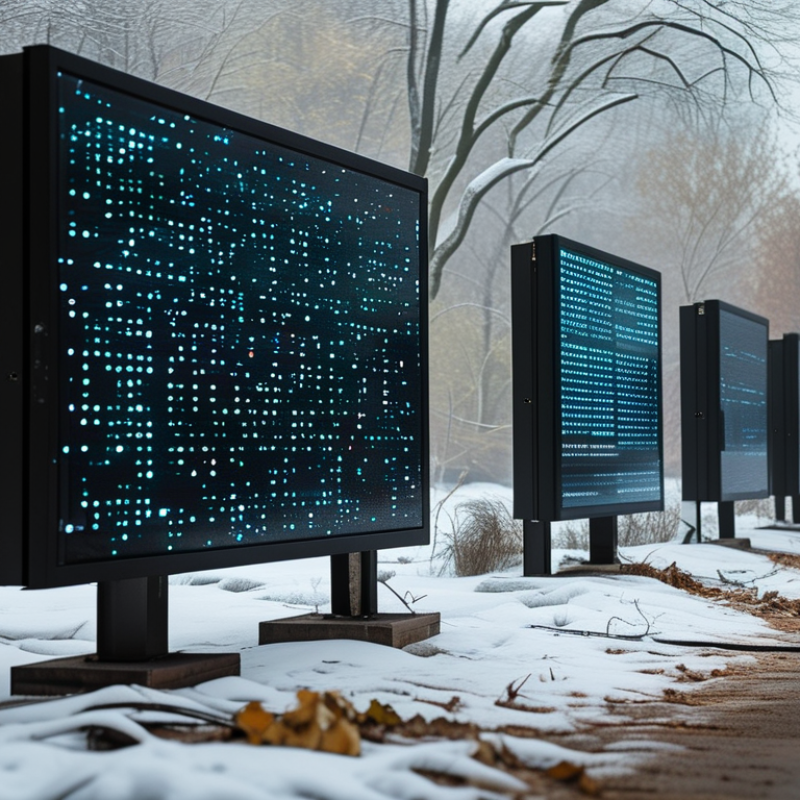
5 Reasons Why LED Screens Fail Outdoors

Common Environmental Challenges for Outdoor LED Screens

Outdoor LED screens face significant environmental challenges that can lead to their failure. Weather conditions play a crucial role. For instance, humidity levels above 70% can cause condensation, which may damage internal components. In 2022, a study reported that up to 30% of outdoor screens fail due to moisture damage during heavy rains. This highlights the need for proper sealing and protective measures.


UV radiation is another concern. Prolonged exposure can degrade materials and reduce brightness. Data from a recent market analysis reveals that screens used in sunny regions can lose up to 50% of their brightness within a year if not designed for UV resistance. Additionally, temperature fluctuations can cause expansion and contraction, which might lead to cracks or affect pixel performance.


Dust and debris can accumulate on screens, obstructing visibility and causing overheating. Regular maintenance is often neglected, and this oversight can result in failure. A 2023 report indicated that maintenance-related issues accounted for about 20% of outdoor screen failures. These factors underline the importance of not just advanced technology but also sustainable practices in outdoor LED screen deployments.

Impact of Sunlight on LED Screen Visibility and Performance

Sunlight significantly impacts the visibility and performance of LED screens used outdoors. Direct sunlight can wash out images, making it hard for viewers to read content. Bright light can cause glare, dulling colors and reducing contrast. As a result, outdoor LED screens might appear ineffective or even malfunction.

For optimal performance, consider screen placement. Positioning screens in shaded areas can enhance visibility. Additionally, using high-brightness LED technology can help combat sunlight's effects. Higher brightness levels ensure that the display remains clear, even under bright conditions.

Another critical factor is the choice of enclosure. A well-designed protective casing can mitigate issues caused by heat and humidity. It’s essential to evaluate the screen's environment regularly. Adjustments may be necessary to ensure the screen operates at its best. Plan for potential challenges rather than assuming ideal conditions will persist. Regular maintenance and prompt repairs can prevent long-term damage.

The Role of Weather Conditions in LED Screen Durability

Weather conditions play a crucial role in the durability of LED screens used outdoors. Exposure to harsh elements like rain, snow, and extreme heat can significantly shorten their lifespan. For example, excessive moisture can lead to internal damage, affecting performance. Similarly, intense sunlight can cause overheating, leading to potential malfunctions.

Temperature fluctuations also pose a risk. When the weather changes rapidly, thermal expansion can cause strain. This strain may lead to cracks or failures. Moreover, UV exposure can degrade components over time. Protective measures are essential but may not always be foolproof.

Understanding these factors is vital for anyone considering outdoor LED screens. The materials and designs may claim to be durable, but real-world experience shows that not all perform as expected. Regular maintenance, including inspections for damage, is necessary. Users should reflect on their environment and assess whether their selection truly matches their needs.

Electrical and Technical Issues with Outdoor LED Installations

Outdoor LED screens face specific electrical and technical challenges. One common issue is moisture intrusion. Rain or humidity can cause short circuits, leading to malfunction. Another problem is temperature extremes. High heat can damage components, while freezing temperatures may affect display quality.

For reliable outdoor performance, ensure proper sealing around electrical connections. Use weatherproof enclosures to prevent moisture damage. Regular maintenance is crucial. Check for damaged LEDs or loose wiring.

Power surges also pose risks to outdoor LED installations. Fluctuations in voltage can harm circuitry, causing display failures. Installing surge protectors can mitigate this risk effectively.

While outdoor installations are popular, they can be unpredictable. Sometimes, unexpected failures occur despite precautions. Understanding these risks helps in planning better setups.

5 Reasons Why LED Screens Fail Outdoors - Electrical and Technical Issues with Outdoor LED Installations

Issue Description Impact Solution
Moisture Ingress Water penetration can damage internal components. Leads to malfunctioning and short circuits. Use waterproof enclosures and seals.
Temperature Extremes Overheating or freezing can impair performance. Reduced lifespan and color accuracy issues. Implement cooling or heating solutions.
Poor Power Supply Inconsistent power can cause flickering or shutdown. Negatively affects display quality and operation. Use a reliable and stable power supply unit.
Dust and Debris Accumulation can block ventilation and cause overheating. Increased risk of component failure. Regular maintenance and cleaning schedule.
Signal Interference Electromagnetic interference can disrupt operation. Loss of display clarity and functionality. Implement better shielding and routing.

Maintenance and Upkeep Challenges for Outdoor LED Displays

Outdoor LED displays face significant maintenance and upkeep challenges that can lead to failure. The harsh environmental conditions, such as temperature fluctuations and humidity, can adversely affect these screens. According to a report by the American Society of Civil Engineers, about 80% of outdoor LED installations fail within the first two years due to inadequate maintenance.

Regular cleaning and inspection are vital yet often neglected. Dust, dirt, and moisture can accumulate, leading to reduced visibility and increased risk of malfunction. Additionally, many organizations lack trained personnel to manage these tasks effectively. A study from the National Park Service indicates that only 40% of outdoor LED screens receive scheduled maintenance, emphasizing the gap in proper care.

Weather conditions such as storms and extreme heat can also damage outdoor displays. Non-waterproof components may suffer from water ingress, causing short circuits. While manufacturers provide guidelines, many users overlook these essential tips. As a result, the lifespan of these installations often falls short of expectations. Addressing these challenges is crucial to ensure the reliability of outdoor LED displays.

FAQS

: How does sunlight affect outdoor LED screens?

: Sunlight can wash out images, making them hard to read. It causes glare, dulling colors and reducing contrast.

What can enhance LED screen visibility in bright conditions?

Position screens in shaded areas to improve visibility. Using high-brightness LED technology also helps.

Why is screen placement important for LED screens?

Proper placement in shaded locations can prevent glare and improve overall clarity.

How does the environment affect LED screens?

Temperature and humidity can lead to malfunctions. Regular evaluations of the environment are necessary.

What specific electrical issues do outdoor LED installations face?

Moisture intrusion can cause short circuits, while extreme temperatures can damage components.

What can protect outdoor LED screens from the elements?

Proper sealing around electrical connections and weatherproof enclosures prevent moisture damage.

How can power surges impact LED displays?

Fluctuations in voltage can harm the circuitry, potentially causing display failures.

What should be done for maintenance of outdoor LED screens?

Regular checks for damaged LEDs and loose wiring are crucial for optimal performance.

Are outdoor LED installations always reliable?

No, unexpected failures can happen. Understanding risks is essential for better planning.

What should one plan for regarding outdoor LED screens?

Anticipate potential challenges, such as environmental factors, rather than assuming ideal conditions.

Conclusion

Outdoor LED screens face several challenges that can significantly impact their performance and longevity. One major factor is the harsh environmental conditions, including direct sunlight, which can affect visibility and overall functionality. These screens often struggle with glare and inadequate brightness, making them difficult to read during the day. Additionally, weather conditions such as rain, snow, and extreme temperatures can further compromise their durability and operational efficiency.

Electrical and technical issues also play a crucial role in why do LED screens fail outdoors. Outdoor installations may encounter power fluctuations and moisture-related issues that can lead to malfunctions. Furthermore, maintenance and upkeep are more demanding in outdoor settings; dust, debris, and environmental exposure necessitate regular cleaning and inspections to ensure optimal performance. Collectively, these factors illustrate the complexities involved in maintaining outdoor LED displays.

Henry

Henry

Henry is a dedicated marketing professional with a profound expertise in the company's offerings. With years of experience in the industry, he possesses an impressive understanding of the market dynamics and consumer behaviors that drive success. Henry is committed to sharing his insights through......