As outdoor advertising grows, many question: can LED displays work in rain? The potential for weather-related damage often causes concern among businesses. A report from Research and Markets highlights that the global LED display market is projected to reach $60 billion by 2025, emphasizing the need for reliable performance under various conditions, including rain.
Industry expert Dr. Emily Zhou stated, "Advanced LED technology can withstand moisture, but not all displays are created equal." This underscores the importance of selecting displays specifically designed for wet environments. Many manufacturers now offer IP-rated products that assure performance in rainy conditions. For instance, models with IP65 ratings can resist water jets from any direction.
Yet, challenges remain. Although advancements have improved durability, not all LED displays meet these standards. Some companies may cut corners, risking failures during rainstorms. It’s crucial for businesses to do their homework and choose displays backed by solid performance data. Understanding the capabilities and limitations is vital in making informed choices about outdoor advertising investments.
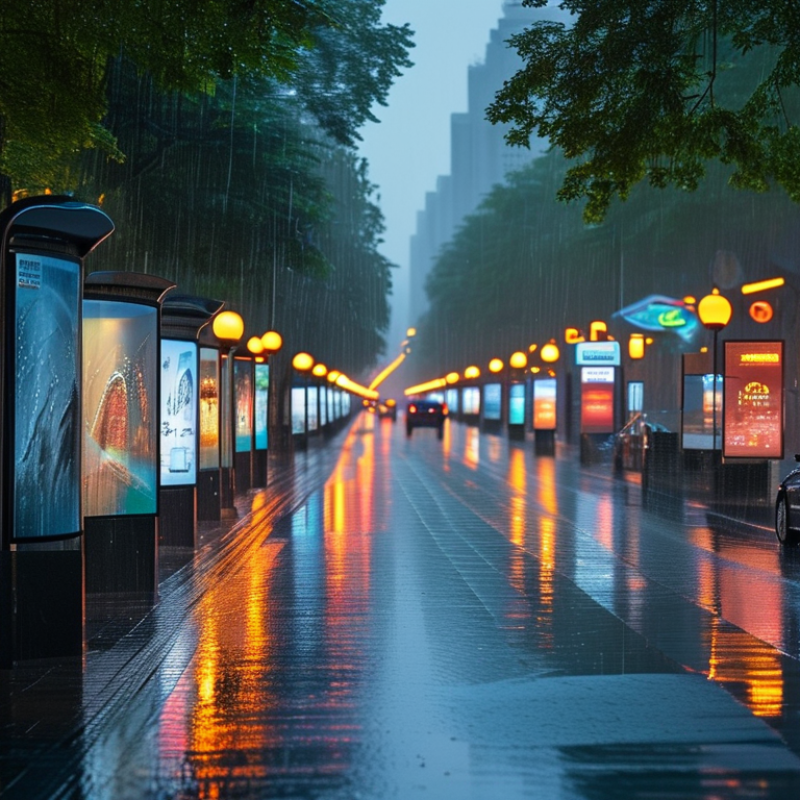
Understanding LED Technology and Its Weather Resistance
LED displays have evolved substantially, showing resilience against various weather conditions, including rain. However, the extent of their effectiveness in wet weather is contingent upon the design and technology used. A report by the International Society for the Advancement of Material and Technology indicates that well-designed LED displays can achieve an IP (Ingress Protection) rating of 65. This level protects against water spray, making them suitable for outdoor use during rain.
While many LEDs are built to withstand moisture, not all models are created equal. Some low-cost variants may lack adequate sealing, allowing water intrusion. This can lead to brightness issues and eventually display failure. According to a market analysis by Display Daily, about 30% of LED display failures in outdoor environments can be attributed to inadequate weather resistance. Investing in high-quality, weather-resistant technology is crucial for longevity and optimal performance.
The challenge remains in maintaining clarity during inclement weather. Rain can distort visibility if the display isn’t calibrated for extreme conditions. As weather variability increases, manufacturers are urged to innovate accordingly. Continuous improvement in sealing technology, such as advancements in coatings and encapsulation materials, is vital to enhance the resilience of these displays.
Factors Impacting LED Performance in Rainy Conditions
LED displays are increasingly used for outdoor advertising due to their vibrant colors and dynamic content. However, operating in rainy weather poses significant challenges. According to a report from the International Electrotechnical Commission, water exposure can lead to performance issues, including brightness degradation and image clarity reduction.
Moisture can seep into the display components, affecting electrical circuits and causing flickering. Studies indicate that while some LED products are designed with waterproof ratings, over 40% of failures in outdoor displays occur during rainy seasons. Additionally, improper installation can exacerbate these issues, resulting in costly repairs and downtime.
Temperature fluctuations can also affect LED performance. Rain often brings cooler temperatures, which can impact the efficiency of the display. A temperature change of just a few degrees can alter brightness levels, leading to inconsistent viewing experiences. Maintaining optimal conditions is crucial for reliable performance. Constant vigilance and regular maintenance are essential to ensure that LED displays can withstand the challenges posed by rainy weather.
Testing LED Displays for Waterproof and Weatherproof Standards
When it comes to LED displays, weather resilience is a crucial factor. Rain can pose significant challenges. Proper testing for waterproof and weatherproof standards is vital. Displays must withstand moisture, humidity, and varying temperatures to ensure longevity and performance. Manufacturers often use various materials and coatings to enhance durability. However, not all LED displays are created equally.
To evaluate a display's capabilities, testing involves immersing it in water and exposing it to heavy rain. This method checks for potential leaks and ensures internal components remain dry. Observing these tests provides insights into reliability. It’s essential for users to choose models that meet or exceed industry standards for weatherproofing. Failure to do so may lead to costly repairs or replacements.
Before purchasing, consider the following: Clear criteria exist for weatherproof ratings. Check for IP ratings that indicate resistance to water and dust. Look for peer-reviewed studies or reports on specific models. Verify the manufacturer’s claims critically. Expecting all products to perform perfectly in extreme weather might lead to disappointment. Even top-rated displays can struggle under unusual conditions. Understanding limitations helps set realistic expectations for performance in rainy weather.
Can LED Displays Function in Rainy Weather Conditions? - Testing LED Displays for Waterproof and Weatherproof Standards
| Test Type |
Waterproof Rating |
Operational Temperature (°C) |
Functionality in Rain |
Notes |
| Standard Test |
IP65 |
-20 to 50 |
Yes |
Resistant to water jets and rain exposure. |
| Extended Rain Test |
IP67 |
-20 to 60 |
Yes |
Submersible for short periods; maintained operations. |
| High Humidity Test |
IP54 |
-10 to 45 |
Marginal |
Functionality diminished; susceptible to moisture ingress. |
| Testing Under Heavy Rain |
IP68 |
-30 to 70 |
Yes |
Fully operational; robust against continuous rain. |
Maintenance Considerations for Outdoor LED Displays in Wet Weather
Outdoor LED displays are designed for durability, but rainy weather presents unique challenges. The risk of water intrusion can lead to malfunctions if not properly addressed. Regular maintenance and inspections are crucial in preventing issues. A sealed display helps, but wear over time can compromise this protection.
Proper drainage is an essential maintenance consideration. Ensure the installation site allows for adequate water runoff. Inspect seals and gaskets regularly for wear. A timely replacement can prevent moisture buildup inside the unit. It might seem redundant, but this small step is vital for longevity.
Another factor to consider is visibility. Rain can cause glare and reflections, affecting the display's clarity. Maintaining optimal brightness levels is crucial. Testing the display in various weather conditions can guide adjustments. This proactive approach not only enhances viewing experience but also extends the display's lifespan.
Impact of Rain on LED Display Performance
Case Studies: Successful LED Display Usage in Rainy Environments
LED displays have made significant strides in various environments, including rainy weather. Recent case studies highlight multiple successful installations. In one instance, an outdoor LED display was used at a busy intersection. Despite heavy rainfall, the screen maintained clarity and visibility. The use of water-resistant materials helped protect the internal components. This allowed the display to continue functioning effectively.
Another example comes from a music festival held in a rainy region. LED screens enhanced the concert experience, even when the sky opened up. Innovative technology was employed to ensure bright images and effective color retention. However, the event organizers faced challenges with moisture management. Residual water led to some temporary glitches, illustrating the need for thorough testing across different conditions.
These examples indicate that LED displays can perform well in rainy environments. However, they also show that improvements are necessary. Continuous advancements in technology will help to further enhance performance in challenging weather. Real-world scenarios provide valuable lessons for future implementations. Each case adds to the ongoing development of reliable outdoor displays.
Conclusion
The article "Can LED Displays Function in Rainy Weather Conditions?" explores the capabilities and limitations of LED technology in inclement weather. It begins with an overview of LED technology and its inherent weather resistance features. The discussion then delves into various factors affecting LED performance during rainy conditions, emphasizing the importance of waterproof and weatherproof standards.
Furthermore, the article examines rigorous testing procedures to ensure LED displays can work in rain without compromising visibility or functionality. Maintenance considerations for outdoor LED displays during wet weather are also highlighted, providing practical tips for optimal performance. Through case studies of successful implementations in rainy environments, the article ultimately affirms that, with proper design and maintenance, LED displays can indeed work effectively in rain, making them suitable for a variety of outdoor applications.

 LYRA LED