In today's fast-paced digital world, businesses are constantly seeking innovative ways to engage their audiences. One of the most transformative technologies emerging in this space is interactive LED technology. According to Dr. Emily Chen, a leading expert in digital display innovation, “Interactive LED technology creates experiences that captivate and connect.” This statement encapsulates the essence of what interactive LED technology can offer.
What is interactive LED technology? It refers to advanced displays that allow users to interact directly with the screen. This technology provides businesses with the ability to create memorable experiences, such as engaging installations and immersive advertisements. Retailers utilize this technology to enhance customer engagement and drive sales. Event planners create dynamic displays that captivate their audiences in new ways.
However, as with any technology, challenges exist. Businesses must consider the cost of implementation and ongoing maintenance. The learning curve for staff can also pose difficulties. Despite these hurdles, the benefits often outweigh the drawbacks. By leveraging interactive LED technology, companies can stand out in a crowded market and foster richer connections with their customers.
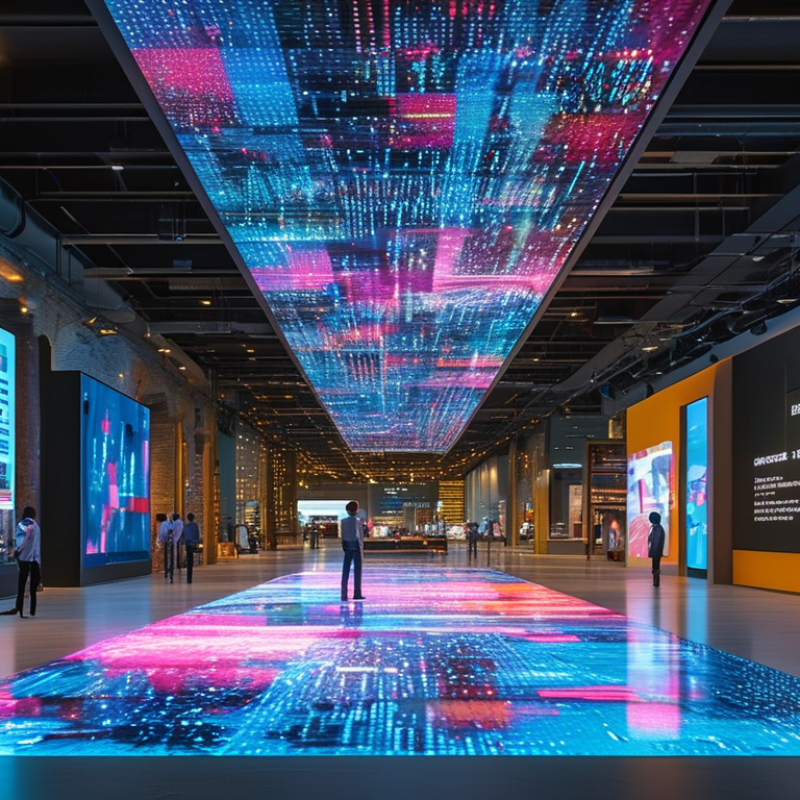
What is Interactive LED Technology and How It Works
Interactive LED technology is revolutionizing the way businesses engage with their audiences. At its core, this technology integrates touch-sensitive screens with high-definition LED displays. This allows users to interact directly with the content being showcased. Whether it's for advertising, presentations, or exhibitions, the dynamic nature of interactive LED screens makes information more accessible and interesting.
The functioning of interactive LED technology is based on a combination of sensors and visual displays. When a user touches the screen, sensors detect the pressure and send signals to the display system. This creates a seamless interaction. For instance, in retail environments, customers can explore product details or access interactive catalogs. The technology fosters a more immersive experience, making it easier for businesses to capture attention.
Despite its advantages, there are challenges. Maintenance of these systems can be costly, and technical issues may arise. Not all employees are trained to manage such technology, which can lead to ineffective use. Inconsistent user engagement can also occur if the content is not designed well. Businesses should assess these potential pitfalls while embracing the innovative capabilities of interactive LED technology.
Key Features and Specifications of Interactive LED Displays
Interactive LED displays are revolutionizing the business landscape, offering unique features that enhance engagement. One key feature is touch capability, enabling users to interact directly with the content. Research shows that interactive displays can increase engagement by up to 70%. This interactive element invites participation, making information retention more effective.
High brightness levels are also a major advantage. Many LED displays boast brightness exceeding 1,500 nits. This ensures visibility in various lighting environments. Additionally, cloud connectivity allows for easy content updates, essential for modern businesses. A report from the International Display Consortium states that interactive displays lead to a 30% increase in customer inquiries.
Another notable specification is the resolution. High-definition displays with 4K resolution provide crisp, clear visuals. This level of detail captures attention quickly, which is crucial in a fast-paced environment. Integrated analytics features can track user interactions, offering valuable insights into customer behavior. With these capabilities, businesses can fine-tune their strategies effectively. However, investing in interactive technology can be daunting. Organizations must consider maintenance and operational challenges that come with advanced systems. Balancing innovation with practicality is key.
Industry Applications of Interactive LED Technology in Business
Interactive LED technology has found significant applications across various industries, enhancing business engagement and consumer interaction. Retail environments employ interactive LED displays to create immersive shopping experiences. Customers can interact with the displays to view products, explore offers, or even participate in games. These features not only captivate attention but also encourage longer store visits.
In the corporate sector, companies utilize interactive LED technology during presentations and conferences. Interactive boards allow for spontaneous brainstorming sessions, where participants can add notes or imagery in real-time. These setups promote collaboration, but they also require thorough training to ensure effective use.
Additionally, education institutions embrace this technology to facilitate interactive learning. Students can engage with lessons through touch-sensitive displays, leading to improved retention. While interactive LED tools offer various benefits, there are challenges. Some users find the technology intimidating, which can hinder participation. Businesses must address these concerns to maximize the impact of interactive LED solutions.
Benefits of Interactive LED Technology for Customer Engagement
Interactive LED technology offers exciting ways for businesses to engage customers. These displays create dynamic environments that attract attention. By incorporating interactive elements, businesses can transform ordinary interactions into memorable experiences. For example, digital walls can show real-time content, inviting customers to participate. This engagement leads to increased foot traffic and longer visits.
One effective tip is to use bright visuals that resonate with your audience. Colors and animations should align with your brand’s identity. Make sure to test different designs to see what works best. Gather feedback and be ready to adjust. Not every attempt will succeed, but learning from missteps is essential.
Another way to enhance customer engagement is through gamification. Integrating games into displays can encourage interaction. This not only entertains but also captivates attention. Consider offering incentives or rewards for participation. Monitor how these initiatives affect customer behavior. Reflect on what engages your audience and be flexible with your approach.
Market Trends and Growth Projections for Interactive LED Solutions
Interactive LED technology is gaining momentum in the business landscape. Its immersive experience attracts audiences and enhances engagement. Companies are investing in these solutions to stand out. Market trends indicate a steady rise. In the next few years, adoption rates are expected to climb significantly.
The growth projections highlight a shift in consumer behavior. Businesses now prioritize interactive experiences. Many industries are embracing this technology, from retail to events. This shift presents opportunities and challenges. Companies must adapt their strategies to keep up. As more players enter the market, competition will intensify.
Adopting interactive LED solutions may not be easy. Implementation can be costly and complex. Organizations need to assess their readiness carefully. Innovative ideas can lead to remarkable experiences, but risks are involved. Balancing investment and return on engagement is crucial. As the market evolves, businesses must remain agile. They must be prepared for change and continuously refine their approach.
Interactive LED Technology Adoption Trends
This bar chart illustrates the rising adoption rate of interactive LED technology over the years, showcasing the increasing interest and integration of these solutions in various business environments. From a mere 10% in 2019, the adoption rate is projected to reach 65% by 2023, highlighting significant market growth and the potential benefits this technology can offer businesses.
FAQS
: Interactive LED technology combines touch-sensitive screens with high-definition LED displays. It allows user interaction with showcased content.
Sensors detect touch on the screen and send signals to the display. This creates seamless interaction between users and content.
It is used in retail for immersive shopping, in corporate settings for presentations, and in education for interactive learning.
Yes, it captivates customers’ attention and encourages longer store visits through interactive product displays and games.
Maintenance can be costly, and not all employees may be trained. This can lead to ineffective use of the technology.
Designing compelling content is crucial. Businesses need to address users' intimidation to enhance participation.
Thorough training is necessary for effective use, especially in corporate and educational contexts.
Some users may find it intimidating, which can hinder participation and interaction during sessions.
Interactive boards allow real-time note-taking and brainstorming, fostering collaborative efforts.
Inconsistent user engagement can occur if the content is poorly designed. This is a crucial aspect to reflect on.
Conclusion
Interactive LED technology is an innovative solution that combines high-quality LED displays with touch and interactivity features, allowing businesses to create engaging experiences for their customers. This technology operates through advanced sensors and software, enabling users to interact with the content displayed, which makes it particularly effective in various environments, such as retail, corporate settings, and educational institutions.
The key features of interactive LED displays include high resolution, brightness, and responsiveness to touch. These displays are increasingly being used across different industries for applications such as digital signage, interactive presentations, and immersive customer experiences. The benefits of interactive LED technology for customer engagement are substantial, as it enhances interaction, attracts attention, and fosters a memorable brand experience. As market trends indicate a steady growth projection for these solutions, businesses are increasingly investing in interactive LED technology to leverage its potential for enhanced customer engagement and increased sales.

 LYRA LED