HDR, or High Dynamic Range, has transformed the way we experience visuals on LED screens. Understanding "what is HDR for LED screens" is crucial for anyone interested in modern display technology. HDR enhances the brightness, contrast, and color range of images. This results in a more lifelike viewing experience. With brighter highlights and deeper shadows, the visuals appear more dynamic.
Modern LED screens equipped with HDR capabilities offer a wider color gamut. This means that viewers can see colors that are richer and more varied. For instance, a sunset displayed in HDR captures a vivid array of oranges, pinks, and purples. However, not all HDR formats are created equal. The differences between HDR10, Dolby Vision, and others can be confusing. A lack of standardization can lead to inconsistent viewing experiences.
It's essential to invest time in understanding the various HDR technologies. Some may argue that HDR's benefits are not always noticeable. Personal preferences play a significant role in visual experiences. For those who appreciate detail and vibrancy, HDR has much to offer. As we explore how HDR enhances visuals, we will uncover the nuances that make it a significant advancement in display technology.
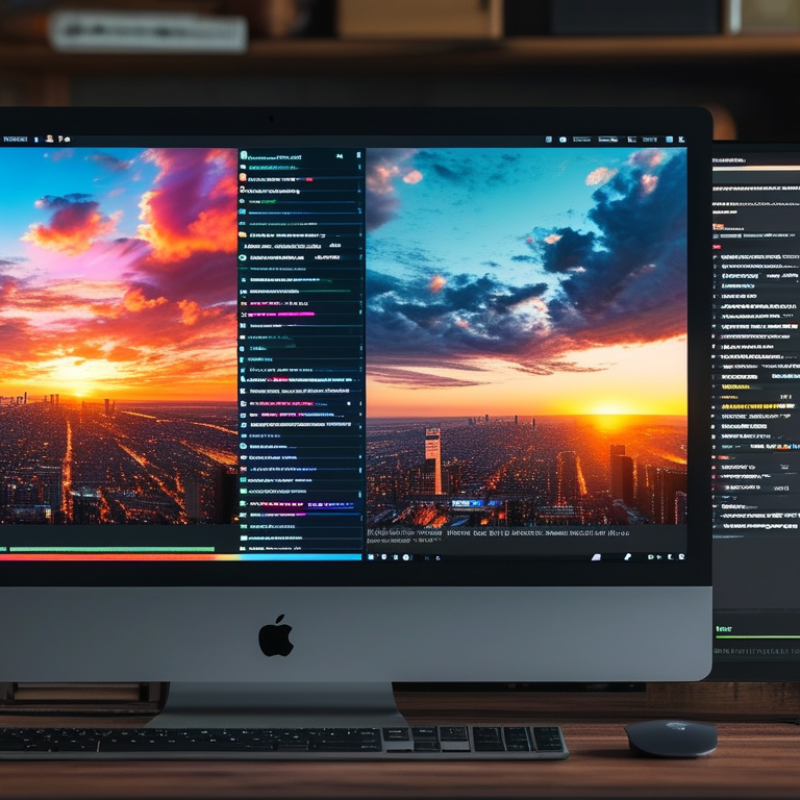
Definition of HDR and its Importance in LED Screens
High Dynamic Range (HDR) technology significantly enhances the visual experience on LED screens. The core of HDR lies in its ability to produce a wider range of colors and brightness levels compared to standard displays. According to a report by Grand View Research, the global HDR market is projected to reach USD 5.42 billion by 2027, underscoring its growing importance in the digital landscape.
HDR improves contrast. This means brighter highlights and deeper shadows. For instance, an LED screen with HDR can represent over one billion colors. This is a remarkable improvement over the traditional 16.7 million colors. Many viewers see more realistic images. This realism often creates an immersive experience in movies and video games. However, not all content is HDR-ready. There is still a need for more compatible media.
The impact of HDR can be seen in various sectors. In gaming, it increases engagement. Gamers often prefer HDR-enabled displays for their vibrant graphics. This technology also appears in photography and broadcasting. Yet, challenges remain, such as varying HDR formats. Consumers may struggle with compatibility issues. Education on HDR's full potential is essential for users to make informed decisions.
Key Differences Between SDR and HDR Visuals
HDR, or High Dynamic Range, significantly improves the visual experience on LED screens compared to SDR, or Standard Dynamic Range. The main difference lies in their ability to depict brightness, contrast, and color depth. HDR can showcase a wider range of colors and provides deeper blacks and brighter whites. This leads to stunning visuals that feel more immersive.
When comparing HDR to SDR, the differences become apparent with real-world content. For instance, a sunset can look dull in SDR but come to life in HDR. The orange and pink hues are more vibrant, and details in the shadows remain visible. However, HDR isn't without its challenges. Not all content is optimized for HDR, which can lead to inconsistencies. Sometimes, the sheer brightness can be overwhelming or even unrealistic.
Moreover, not all devices properly support HDR features. This can result in a lackluster experience. Viewers may find themselves questioning if HDR is worth it or if it’s just a marketing gimmick. The experience can vary widely between displays, leaving some users feeling frustrated. As HDR technology evolves, it continuously widens the gap between SDR and HDR, yet users must navigate its imperfections.
Technical Aspects of HDR Technology in LED Displays
High Dynamic Range (HDR) technology significantly enhances the visual quality of LED screens. By expanding the range of brightness and color, HDR provides a more vibrant experience. The technology works by allowing displays to show deeper blacks and brighter highlights simultaneously. This contrast is crucial for delivering a more life-like image.
From a technical perspective, HDR relies on improved bit depth and color accuracy. Most HDR displays use 10-bit color depth, allowing for over a billion color combinations. This is a substantial upgrade from standard displays, which typically manage just 16.7 million colors. The result is a smoother gradient and better transitions between colors. LED screens equipped with HDR can also utilize a wider color gamut, reproducing colors that were previously unattainable.
While HDR technology offers significant improvements, it is not without challenges. The implementation of HDR can vary between different displays, leading to inconsistencies in viewing experiences. Additionally, creating HDR content requires more resources and expertise. Not all video streams or games may fully utilize the potential of HDR. There is still a learning curve for both creators and consumers.
What is HDR for LED screens and how does it enhance visuals?
| Aspect |
Description |
Benefits |
| Dynamic Range |
The difference between the darkest and the brightest parts of an image. |
Greater contrast leads to more realistic images. |
| Color Depth |
The number of bits used to represent the color of a single pixel. |
More colors means smoother gradients and more vivid visuals. |
| Brightness |
The maximum brightness that a display can achieve. |
Enhanced brightness improves visibility in bright conditions. |
| Frame Rate |
The frequency at which frames are displayed per second. |
Smoother motion handling during fast-paced scenes. |
| Viewing Angles |
The angle from which a display can be viewed without significant loss of quality. |
Better viewing experiences from multiple angles. |
How HDR Improves Color Accuracy and Brightness
High Dynamic Range (HDR) technology significantly enhances visuals on LED screens. A key benefit of HDR is its ability to improve color accuracy. Unlike standard displays, HDR can reproduce a wider range of colors. Reports indicate that HDR can cover up to 90% of the DCI-P3 color space. This is crucial for achieving lifelike images. When watching HDR content, viewers often notice richer reds and deeper blues.
Brightness is another area where HDR shines. It allows screens to reach peak brightness levels exceeding 1000 nits. This is a game changer for viewing in bright environments. With HDR, details in highlights stand out. Dark scenes also gain depth, enhancing the overall viewing experience. However, not every content piece is optimized for HDR. Some users notice inconsistency in quality across different sources.
One way to maximize your HDR experience is to adjust settings based on your environment. Bright rooms might require higher brightness settings. In contrast, darker spaces benefit from lower brightness to avoid glare. Regularly updating your device's firmware helps maintain the best performance. By understanding HDR's strengths, viewers can truly enjoy the vivid world it brings to their screens.
Real-World Applications and Benefits of HDR for Consumers
HDR, or High Dynamic Range, significantly boosts the visual quality of LED screens. This technology allows for a greater range of colors and brightness levels, creating more realistic images. In real-world scenarios, HDR enhances the viewing experience in movies, gaming, and even photo editing. When you watch a film with HDR enabled, you notice deeper blacks and brighter highlights, making scenes come alive.
Many consumers enjoy HDR in gaming. Bright details pop while dark shadows remain visible, providing an edge in gameplay. A well-calibrated HDR screen enhances color saturation, making virtual environments more immersive. However, not all content is available in HDR, which can be disappointing. Sometimes, the difference might not be noticeable on lower-quality screens.
For the best HDR experience, ensure your device supports it and that you use HDR-compatible content. Test your settings; adjusting the contrast and brightness can greatly enhance the HDR effect. Remember, not all HDR implementations are the same. Some screens may exaggerate colors, leading to an unnatural look. It’s essential to find balance, as excessive bright spots can become distracting. Keep experimenting with various content types to discover HDR’s full potential.
FAQS
: HDR stands for High Dynamic Range. It enhances color and brightness on LED screens.
HDR improves contrast significantly, offering brighter highlights and deeper shadows.
HDR can represent over one billion colors, far exceeding standard displays' 16.7 million colors.
HDR is used in gaming, photography, and broadcasting, enhancing visual quality across these fields.
No, not all content is HDR-ready, leading to compatibility issues for some users.
Ensure your device supports HDR and use HDR-compatible content for the best experience.
Varying HDR formats can create compatibility issues, affecting the viewing experience.
Yes, HDR enhances bright details and visibility in dark areas, improving gaming performance.
Some screens overemphasize colors, leading to an exaggerated and unrealistic appearance.
Experiment with settings like contrast and brightness to achieve a balanced and immersive viewing experience.
Conclusion
HDR, or High Dynamic Range, is a technology that significantly enhances the visual experience on LED screens by providing a wider range of colors and brightness levels. Unlike Standard Dynamic Range (SDR) visuals, which can appear flat and limited, HDR brings images to life with remarkable detail in both shadowy and bright areas. This is crucial for delivering a more immersive viewing experience, particularly in dynamic scenes.
The technical aspects of HDR involve advanced processing techniques that optimize color accuracy and luminance, allowing for deeper blacks and brighter highlights. As a result, HDR has found numerous real-world applications, enriching entertainment experiences from films to gaming. For consumers, the adoption of HDR in LED displays means better image quality, greater authenticity in color representation, and an overall enhanced visual journey, explaining why understanding "what is HDR for LED screens" is essential for anyone seeking superior display technology.

 LYRA LED