Choosing the right LED display for events can significantly impact the overall experience. This decision is crucial for making a lasting impression. However, many struggle with how to choose the best LED display for events. With so many options available, it's easy to feel overwhelmed.
Understanding your event's needs is essential. Factors like venue size, audience engagement, and content type play vital roles. For instance, high-resolution displays work best for detailed visuals. Brightness matters too, especially for outdoor events. Color accuracy is another aspect that should not be overlooked.
Often, people focus solely on cost, missing important features that affect performance. Reflecting on specific goals can guide choices effectively. Experience shows that an informed selection process leads to better audience interaction. This article provides ten essential tips to help you navigate this complex decision. By following these guidelines, you can ensure that your LED display truly enhances your event.
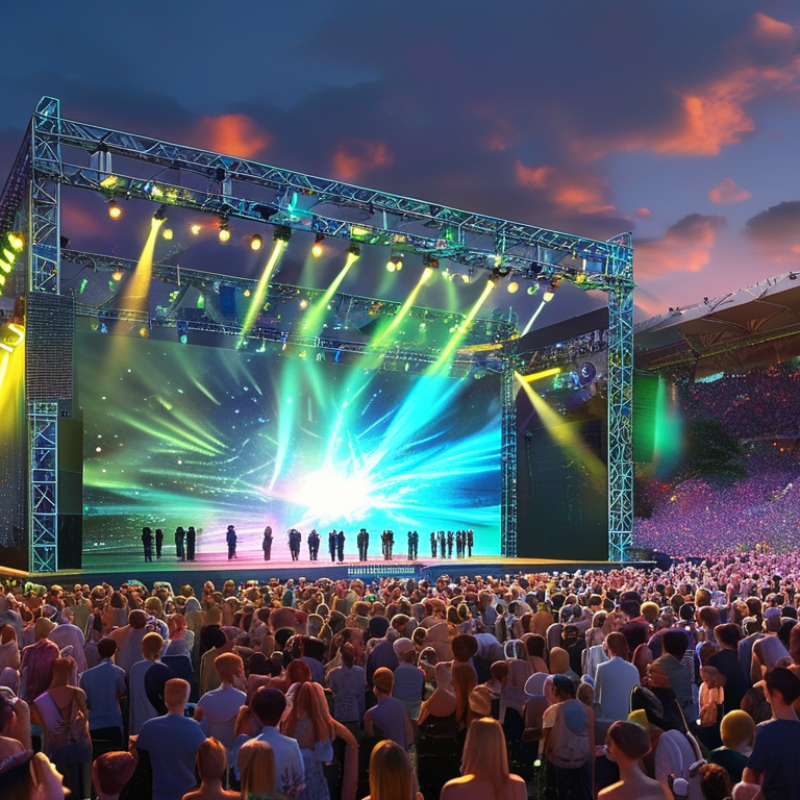
Understanding Different Types of LED Displays for Events
Choosing the right LED display for events involves understanding the various types available.
Common options include indoor, outdoor, and transparent LED displays.
Each type serves different purposes and excels in specific settings. A report by the AVIXA states that the global LED display market is expected to reach $32 billion by 2025, indicating a growing significance in event technology.
Indoor displays typically feature higher resolutions, making them ideal for venues with controlled lighting.
Outdoor LED screens are designed to withstand weather conditions and often have lower resolutions for greater visibility.
Transparent LED displays are gaining traction for their unique ability to blend into architecture, creating immersive environments while displaying content.
These options can transform the attendee experience significantly.
When selecting an LED display, consider size and pixel pitch.
The size should match the venue and audience, while pixel pitch affects image clarity.
A smaller pitch generally provides clearer images but can increase costs.
Experts recommend opting for displays with a pixel pitch between 2.5mm to 4mm for indoor events and 5mm or higher for outdoor settings.
This balance can enhance visual appeal while adhering to budgets.
Key Factors to Consider When Selecting LED Display Size
When selecting the appropriate LED display size for events, understanding the venue dimensions is crucial. Large displays work wonders in open spaces, while smaller ones fit better in tighter venues. According to industry reports, the optimal viewing distance is often three times the height of the screen. For example, a 10-foot tall display should ideally be viewed from at least 30 feet away. This principle helps in determining not only size but also resolution.
Event planners should also consider the audience size. A recent study by the Event Marketing Institute indicated that 78% of attendees engage more when visuals are clear and visible from their seats. Thus, invest in a display that can accommodate your audience while ensuring clarity and detail. In some cases, oversizing a display may overshadow content, leading to an overwhelming experience. Striking the right balance is essential to capturing your audience's attention effectively.
Additionally, brightness plays a significant role in display selection. An outdoor LED display may need a brightness level of 5000 nits or more to remain effective in daylight. Indoor displays, on the other hand, can operate well at 1000 to 2000 nits. Failure to assess lighting conditions might lead to poor visibility, detracting from the event's overall impact. Always evaluate the environmental factors before finalizing your LED display choice.
Evaluating Resolution and Brightness Requirements for Different Venues
Choosing the right LED display for an event requires careful consideration of resolution and brightness. Each venue has unique lighting conditions and dimensions that affect visibility. For example, a large outdoor space often needs higher brightness levels than an indoor venue. Additionally, the resolution determines the detail that the audience can see. If the event involves detailed graphics or videos, a higher resolution is essential.
When selecting a display, consider the distance between the screen and the audience. For longer distances, pixel pitch matters. A larger pitch can work, but viewers may struggle to see details. Conversely, a smaller pitch offers clarity up close. Not all venues have ideal lighting, and ambient light can wash out displays. In such cases, experiment with brightness settings beforehand.
Thinking about these factors means you avoid common pitfalls. Some displays may seem attractive based on size alone, yet lack necessary resolution or brightness. This mismatch can lead to disappointment. Ultimately, investing time in thorough evaluation ensures the LED display meets the needs of the event and enhances the viewer experience.
Assessing the Importance of Refresh Rate and Viewing Angle
When selecting an LED display for events, the refresh rate and viewing angle are critical factors. A higher refresh rate ensures smooth visuals, especially for video content. Research suggests that displays with a refresh rate of 60Hz or more can significantly reduce flicker and motion blur. This is vital for maintaining audience engagement during fast-paced presentations. On the other hand, displays with lower refresh rates may lead to unpleasant visual experiences, making it hard for viewers to focus.
Viewing angle also plays a significant role in the effectiveness of an LED display. The optimal viewing angle for most LED displays ranges from 120 to 180 degrees. Displays with wider viewing angles allow audiences positioned at various locations to enjoy consistent image quality. According to industry reports, a narrow viewing angle can result in up to a 25% decrease in perceived brightness and color accuracy for viewers on the sides. This is a critical consideration for large events, where attendees may be spread across a wide area.
Choosing the right specifications is fundamental to maximizing the impact of an LED display. While high-quality displays may come with a higher price tag, the investment in better refresh rates and wider viewing angles often pays off. Evaluating these factors helps ensure that the technology meets the needs of diverse audiences and enhances the overall event experience. Each decision carries consequences that require careful thought and a focus on audience engagement.
Exploring Rental vs. Purchase Options for LED Displays at Events
When planning events, deciding between rental and purchasing LED displays is crucial. Rentals offer flexibility. You can choose the right display for each event without the burden of maintenance. According to a report by AVIXA, nearly 40% of event organizers prefer renting for diverse needs. Renting significantly reduces upfront costs. This can be advantageous for small to medium-sized events with strict budgets.
On the other hand, purchasing LED displays can be a good long-term investment. It can offer better quality and reliability over time. However, the initial cost is higher, which may not work for all. A study by InfoComm International shows that nearly 60% of larger enterprises opt to purchase, especially for frequent events. Long-term ownership allows for customization. It enables event organizers to tailor displays to specific branding needs. But it also requires storage and maintenance.
When choosing, consider your event frequency and budget. Analyze your needs carefully. What works for one event may not suit another. Understanding these dynamics will empower better decisions. Ultimately, weigh the benefits against potential drawbacks. Your choice can impact the event's overall success.
Conclusion
When considering how to choose the best LED display for events, it is crucial to understand the different types of LED displays available. Each type has unique features suited for various event settings, making it essential to evaluate which aligns best with your specific needs. Key factors to consider include the size of the display, as it should appropriately match the venue's scale and the audience's viewing distance.
Additionally, resolution and brightness are critical in ensuring visibility in different lighting conditions, while refresh rate and viewing angle can greatly affect the audience's experience. Lastly, weighing the options of renting versus purchasing an LED display can influence budget and practicality. By carefully assessing these elements, you can confidently select an LED display that enhances the impact of your event.

 LYRA LED