Maintaining large LED video walls is crucial for optimal performance and longevity. Industry expert John Smith, a leading technician in LED installation and maintenance, emphasizes, “Regular upkeep can significantly enhance display lifespans.” Understanding how to maintain large LED video walls involves a blend of technical knowledge and practical care.
One challenge many face is the constant exposure to dust and environmental factors. Neglecting regular cleaning can lead to image quality degradation. It's important to establish a routine cleaning schedule, using proper materials to avoid damage. Attention to detail here can make all the difference in the lifespan of your screens.
Another aspect not to overlook is software updates. Staying current with firmware ensures devices operate efficiently. Many operators forget this step, leading to potential vulnerabilities or failures. Incorporating these simple practices can help maintain large LED video walls effectively. Remember, every aspect of maintenance counts—small oversights can lead to significant issues down the line.
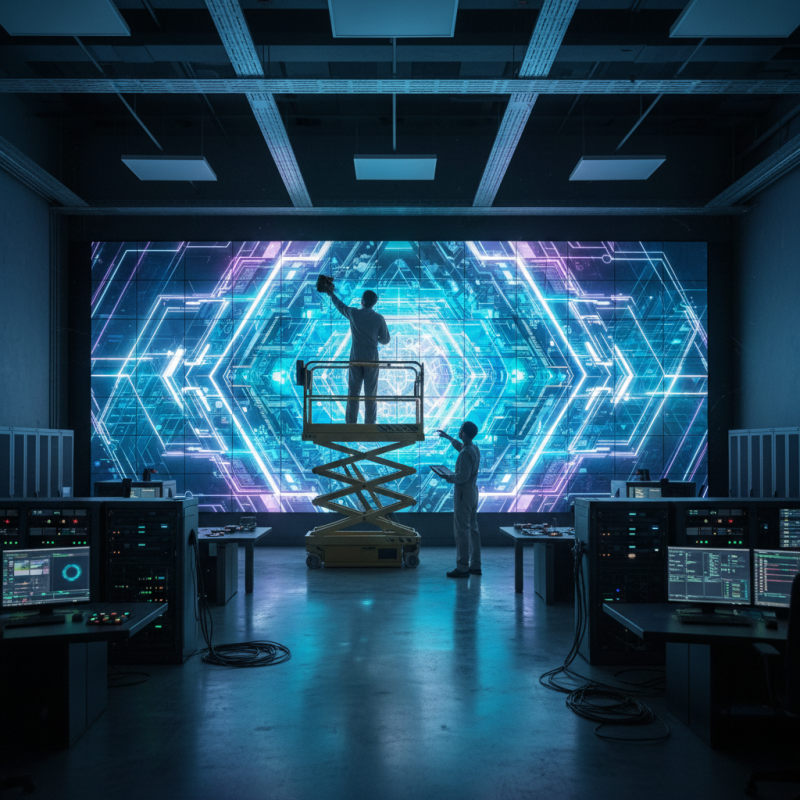
Large LED video walls have become essential for events, advertising, and presentations. Understanding the components that make them function is crucial for maintaining their performance. Most are built from modular panels, each containing multiple LED units. These panels connect to a central control system. The quality of these components directly affects the display's reliability and longevity.
Regular maintenance is vital. Inspect connections frequently to avoid signal loss. Dust and moisture can impact the performance of LED units. Periodic cleaning keeps the panels clear and vibrant. In some cases, using a soft cloth can remove grime without damaging the surface.
It's also important to monitor the power supply. Fluctuations can lead to performance issues. Ensure the system operates within the recommended voltage range. For optimal performance, consider implementing a remote monitoring system. This system alerts you to potential issues before they escalate. By being proactive, you can significantly extend the lifespan of your LED wall.
| Tip | Description | Frequency |
|---|---|---|
| Regular Cleaning | Dust and dirt can accumulate on the LED surface, impacting performance. | Monthly |
| Temperature Control | Maintain optimal temperature levels to avoid overheating. | Continuous |
| Software Updates | Ensure all software is updated to prevent glitches and improve functionality. | Quarterly |
| Inspect Connections | Check cables and connections for wear and proper seating. | Monthly |
| Calibration | Regularly calibrate to ensure color fidelity and brightness. | Semi-Annually |
| Training Staff | Train personnel on proper handling and operation procedures. | Annually |
| Monitor Performance | Keep an eye on performance metrics for timely intervention. | Weekly |
| Lighting Conditions | Adjust surrounding lighting to enhance visibility. | As Needed |
| Plan for Repairs | Have a strategy in place for quick repairs and downtime reduction. | Ongoing |
| Backup Systems | Ensure backup systems are available for critical applications. | Annual Review |
: Users often face color uniformity problems and pixel failures. Regular checks can help.
It's important to check color calibration regularly. This improves consistency and viewer experience.
About 1 in 1,000 pixels can fail. Early detection helps prevent costly repairs.
Routine checks should involve visual inspections and software diagnostics to catch issues early.
High humidity can cause corrosion in components, leading to potential failures.
Proper climate control prevents long-term damage. Many users overlook this, leading to issues.
Updated software enhances efficiency, prevents glitches, and improves overall functionality.
Neglecting updates can lead to security vulnerabilities and performance issues.
Yes, testing updates can reveal compatibility issues. Balance improvement with risk.
Documenting updates provides insights for future decisions. This helps refine your approach.
Maintaining large LED video walls requires a comprehensive understanding of their components and regular maintenance routines. Essential practices include routine cleaning to prevent dust and grime buildup, which can affect image quality. Additionally, controlling temperature and humidity is critical for optimal performance, as excessive heat and moisture can damage the screens.
Knowing how to maintain large LED video walls also involves troubleshooting common issues such as flickering or color inconsistencies, which can often be resolved through simple adjustments. Furthermore, regularly upgrading and updating the software ensures that the video wall functions efficiently and takes advantage of new features. By following these tips, users can ensure their LED displays remain vibrant and functional for a long time.

 LYRA LED