In today’s competitive business landscape, effective presentations can make or break a deal. Understanding how to use LED screens for corporate presentations is crucial for capturing attention. These screens provide vibrant visuals that engage audiences and communicate ideas more clearly.
Imagine a room filled with dull PowerPoint slides. Now, envision a dynamic LED display showcasing your data. The difference is striking. LED screens ensure your content stands out. They facilitate better audience retention due to their eye-catching nature. You can even incorporate live feedback to make your presentation more interactive.
However, it’s important to ensure that the technology aligns with your message. Overly complex setups may distract rather than enhance. Knowing how to use LED screens for corporate presentations involves balancing visual appeal with clarity. Continuous refinement and adaptation to your audience are key. With the right approach, LED screens can truly elevate your business presentations.
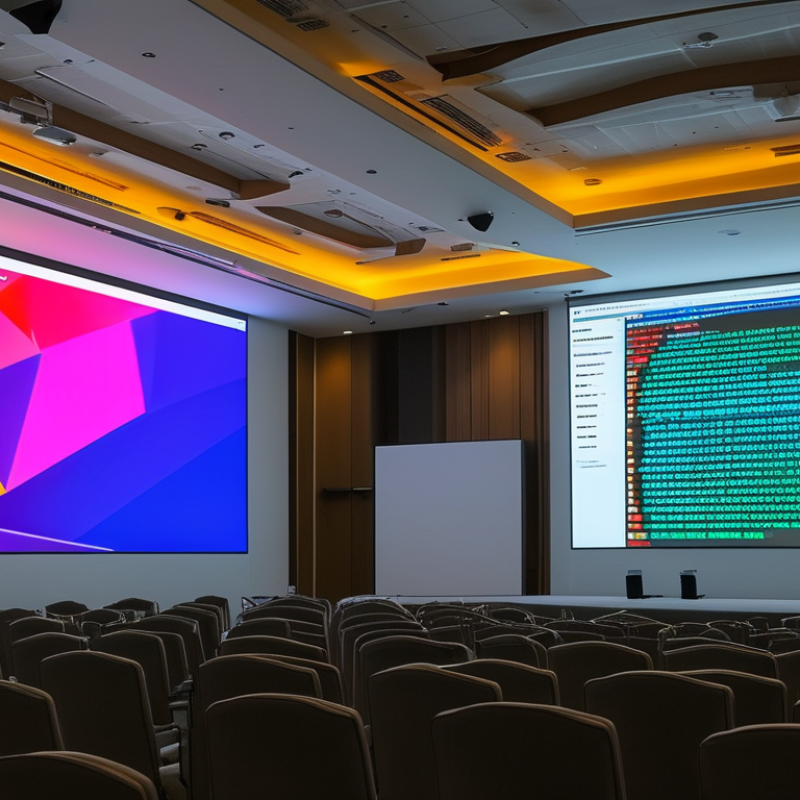
LED screens are transforming corporate presentations. They offer vibrant colors and sharp images, ensuring that your message is seen clearly. This clarity can help capture attention and maintain engagement throughout your presentation. When you use high-quality visuals, your audience is less likely to lose focus. This enhanced visual appeal allows for better retention of your message.
Moreover, LED screens can display multiple content formats. You can present images, videos, and even live data in real-time. This versatility helps to create dynamic presentations that can adjust to your audience's needs. High-quality animations can also bring complex ideas to life. However, relying solely on technology can sometimes lead to a disconnect if not managed properly.
Creating a cohesive narrative is essential. While LED screens enhance presentation quality, the content still matters. Overloading your slides with visuals can be overwhelming. Balancing visuals with clear messaging is crucial. Engaging your audience with stories and interactive elements can make your presentations more effective. Thus, blending technology with thoughtful content keeps the audience engaged while delivering powerful messages.
In the realm of corporate presentations, clarity and brightness are essential. LED screens stand out in this aspect when compared to traditional projectors. LED technology offers vibrant colors and sharp images. This ensures that every detail, from text to visuals, is easily seen by the audience. Projectors, on the other hand, often struggle in well-lit environments. Their brightness can fade, diminishing the overall impact of the presentation.
Moreover, LED screens provide better contrast. Darker backgrounds and bright texts create a dynamic visual experience. Traditional projectors may appear washed out, especially if the room is not dark enough. This can lead to a disengaged audience, as they may miss key information. Presenters might find themselves repeating points or adjusting lighting to counteract projector limitations, which can disrupt the flow of the presentation.
It's important to consider the setup as well. LED screens are usually easier to install and more portable. Projectors require careful alignment and calibration. This process can be time-consuming and may lead to frustration. The increasing reliance on technology means that ease of use is critical. Evaluating these details can help presenters make informed decisions that enhance their communication effectiveness.
When evaluating the long-term savings of LED screens for corporate presentations, the numbers speak for themselves. A report by MarketsandMarkets indicates that the global LED screen market is expected to grow at a compound annual growth rate (CAGR) of over 14% by 2025. This rapid growth reflects the increasing preference for LED technology due to its efficiency. Businesses often find that energy savings can be substantial. LED screens consume up to 75% less energy than traditional projectors. Over time, these savings can translate into significant reductions in operational costs.
One key aspect to consider is the initial investment in LED technology. While the upfront costs can be higher, the total cost of ownership is lower in the long run. The average lifespan of LED screens can reach up to 100,000 hours, outpacing traditional screens significantly. This longevity minimizes replacement and maintenance expenses. In fact, maintenance costs can be reduced by up to 50% with LED.
Tip: When deciding on your presentation setup, consider the placement of your screen. Optimal positioning ensures maximum visibility for your audience. Also, keep in mind that the return on investment may take time to realize, making it vital to plan resources wisely. Many companies overlook these details, yet they can significantly impact overall effectiveness.
In today's digital age, audience engagement is crucial for successful corporate presentations. LED screens have transformed the way we present information, making it more dynamic and visually appealing. The bright colors and sharp resolution of LED displays capture attention effectively. Studies show that audiences retain information better when visuals accompany spoken words.
With their ability to showcase vivid images and videos, LED screens can create an immersive experience. This boosts audience engagement significantly. People are more likely to remember key points when they are visually represented. However, it’s essential to avoid overloading content on the screen. Too much information can overwhelm the audience, leading to disengagement. Finding the right balance is key.
Furthermore, LED technology is adaptable. Presenters can change content in real-time, ensuring relevance to audience interests. This flexibility enhances engagement but requires careful planning and execution. Presenters must be aware of potential tech issues as well. A glitch could distract from the message and reduce retention. Understanding your audience’s preferences remains critical in optimizing the impact of LED displays.
In recent years, LED screens have transformed corporate presentations. Case studies show how organizations have leveraged this technology for impactful results. A report by the Interactive Advertising Bureau states that presentations using high-quality visuals increase audience retention by up to 65%. This statistic highlights the power of engaging displays.
Consider a tech firm that implemented LED screens during their quarterly review. The visuals and data displayed captivated the audience. As a result, audience engagement scores jumped by 50%. Another example involves a nonprofit organization that used LED setups for fundraising events. Their presentation led to a 30% increase in donations compared to previous years. These cases illustrate the effectiveness of LED technology in enhancing communication.
However, effective use of LED screens requires careful planning. Poorly designed visuals or irrelevant content can lead to disengagement. It's essential to prioritize clarity and relevance in design. Presenters must balance bold visuals with clear messaging to avoid overwhelming their audience.
| Dimension | Case Study | Outcome |
|---|---|---|
| Audience Engagement | Annual Sales Meeting | Increased participation by 40% |
| Visual Clarity | Product Launch | Improved understanding of product features |
| Brand Image | Investor Relations Meeting | Elevated brand perception |
| Presentation Flexibility | Training Sessions | Enhanced learning experience |
| Technical Performance | Conference Presentation | Seamless streaming experience |
: LED screens provide vibrant colors, sharp images, and better contrast. This ensures clarity and audience engagement.
Projectors often struggle in well-lit areas. Their brightness can fade, making details harder to see.
LED screens are usually portable and easy to install. Projectors require careful alignment, which can be time-consuming.
LED screens consume up to 75% less energy. This leads to significant reductions in operational costs over time.
LED screens can last up to 100,000 hours, reducing replacement and maintenance costs significantly.
Yes, studies show that audiences retain information better when visuals accompany spoken words, enhancing engagement.
Presenters should avoid overloading content. Too much information can overwhelm and disengage the audience.
Presenters can change content in real time, ensuring relevance and maintaining audience engagement.
Tech issues can distract from the message. Being prepared for glitches is essential for effective communication.
Optimal screen placement is crucial for visibility. Many neglect this, yet it impacts overall effectiveness.
Using LED screens for corporate presentations offers numerous advantages that significantly enhance overall presentation quality. The clarity and brightness of LED displays outperform traditional projectors, ensuring that visuals are crisp and engaging. Furthermore, a cost analysis reveals that, despite the initial investment, businesses can benefit from long-term savings due to reduced maintenance and energy costs.
Moreover, LED technology boosts audience engagement and retention rates by providing vivid, eye-catching content that holds attention. Companies that have successfully integrated LED screens into their presentations have reported positive outcomes, showcasing the effectiveness of this technology. To maximize these benefits, it's crucial to understand how to use LED screens for corporate presentations effectively, ensuring that your messaging resonates with your audience.

LYRA LED